Bonmart


From Manual Checks to Smart Automation: Bonmart Elevates Mexico’s Tube Packaging Line

The Shift: Overcoming Manual Bottlenecks in Tube Packaging
When tube packaging manufacturers rely on manual labor for secondary operations—such as hole drilling, foil sealing, capping, and visual quality inspection—operational bottlenecks become inevitable. In high-volume cosmetic, pharmaceutical, and chemical packaging facilities, manual and semi-manual workflows introduce severe operational vulnerabilities:
- Human Error in Quality Control: Operators conducting manual visual checks inevitably miss micro-defects, such as misaligned aluminum foil seals, skewed cap threads, or incomplete orifice punctures.
- Torque Inconsistency and Leakage: Manual or non-servo capping lacks uniform torque calibration. Over-tightening cracks plastic closures, while under-tightening leads to product leakage during shipping and distribution.
- High Scrap Rates and Labor Overhead: Multi-step manual handling increases transit damage between stations, driving startup and operational scrap rates well above 5% while multiplying factory labor costs.
- Cross-Contamination and Safety Risks: In pharmaceutical and food-grade packaging environments, human physical contact with open tube bodies elevates contamination risks and complicates compliance with standards like ANVISA, US FDA 21 CFR, and EU GMP.
How Bonmart Solved the Production Bottleneck in Mexico
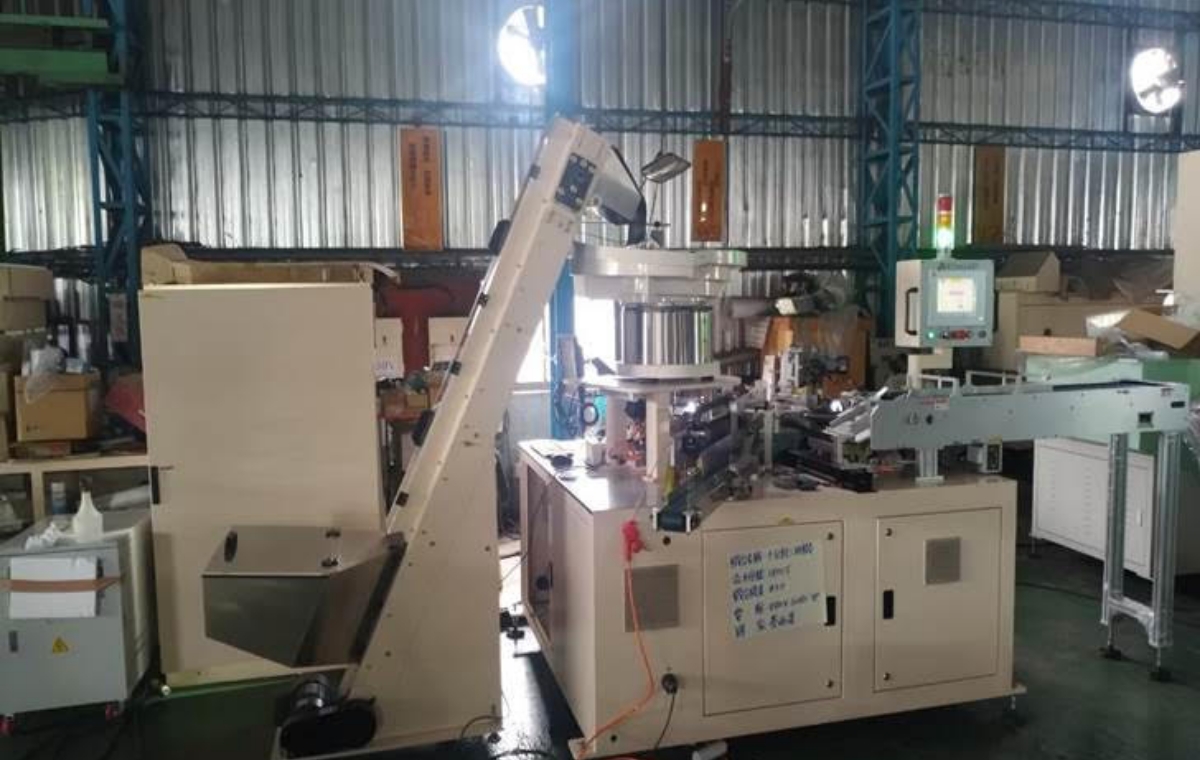
To help the Mexican packaging manufacturer transition away from labor-intensive manual checks, Bonmart delivered the DCF-60-01 Drilling, Al. Foiling, and Capping Machine. This all-in-one rotary finishing platform replaced multiple separate manual stations with a continuous, synchronized automation line.
- 3-in-1 Unified Processing: The DCF-60-01 integrates precision orifice drilling, tamper-evident aluminum foil punching and heat sealing, and high-speed cap fastening onto a single compact rotary table. This eliminated the need for operators to manually transfer tubes between standalone machines.
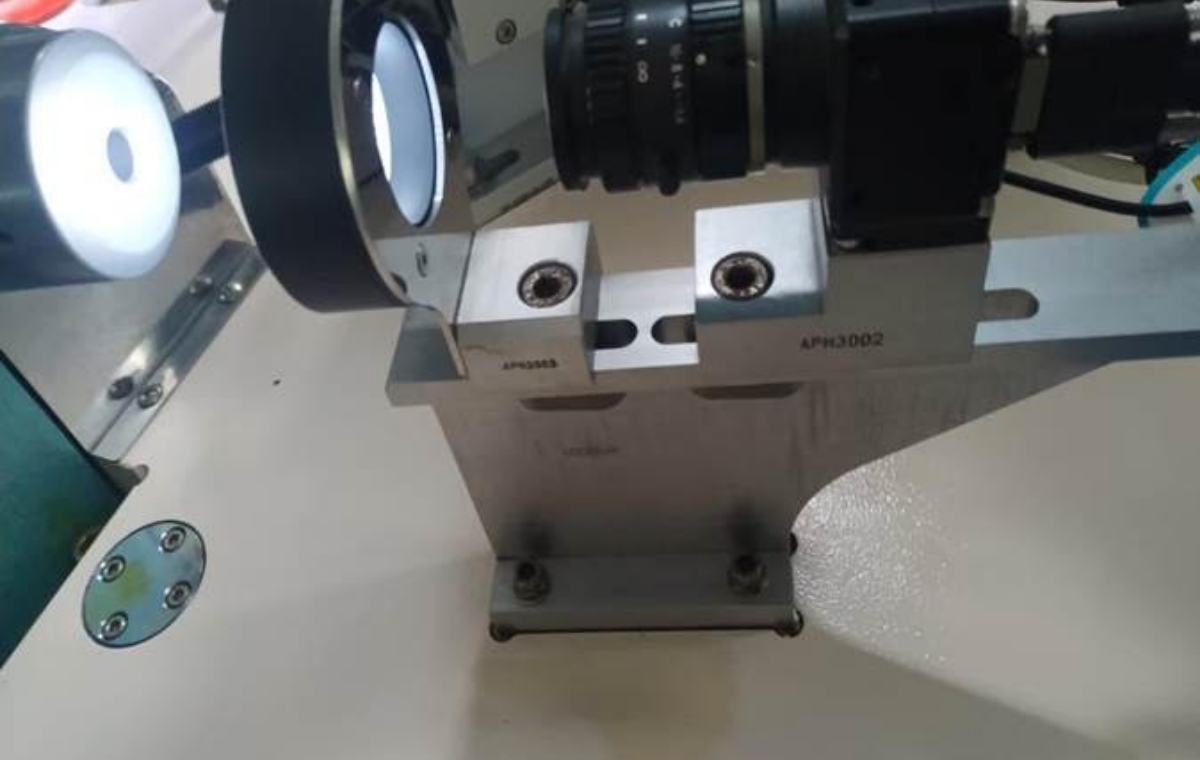
- Smart Defect Auto-Rejection: Optical inspection sensors monitor every single tube at line speed. If a tube is missing aluminum foil or has an improperly seated cap, the pneumatic reject mechanism automatically diverts it into a separate bin without slowing down the line.
- Zero-Defect Output & Labor Savings: By automating the inspection and finishing workflow, the facility eliminated operator fatigue and human error, reduced operational scrap to under 1%, and allowed the plant to reallocate multiple workers to higher-value production tasks.
Expanding the Solution: Overcoming Upstream and Downstream Packaging Challenges
Beyond the drilling, foiling, and capping capabilities of the DCF-60-01, Bonmart draws from a full ecosystem of packaging machinery to solve other critical factory bottlenecks across pharmaceutical, cosmetic, and chemical production:
1. Precision Nozzle Molding for Medical & Pharma Tubes
When tube shoulders face extreme dispensing pressures or strict sanitary requirements, manual or semi-automatic heading machines often create weak joints. As proven with our SIH-30 HC Tube Heading Machine deployed for a Brazilian pharmaceutical packaging manufacturer:
- Injection Molding Integrity: Forms a seamless, hermetic bond between the tube sleeve and nozzle head to prevent shoulder rupture.
- Robotic Arm Integration: Automatically transfers extruded tubes into the heading mold and downstream sorting systems, eliminating direct manual handling and ensuring compliance with cleanroom standards (cGMP, FDA 21 CFR, and ANVISA).
- Intuitive Scenario Controls: Pre-programmed simulation recipes make setup fast and easy, allowing even new operators to achieve full output with scrap rates under 1%.
2. High-Speed Cosmetic Capping with Precise Torque Management
For high-volume personal care and cosmetic lines where loose caps cause shipping leaks and overtightened caps crack plastic threads, the FCM-80-01 Automatic Foiling and Capping Machine provides:
- Elevator Tube Feeding: High-capacity hoppers and automatic sorting elevators feed tubes continuously at speeds up to 80 tubes per minute.
- Servo-Calibrated Torque Control: Applies exact, repeatable tightening force to screw caps and snap-on closures, protecting thread integrity while guaranteeing a 100% leak-proof seal.
By combining the multi-function finishing of the DCF-60-01, the medical-grade molding of the SIH-30 HC, and the high-speed foiling power of the FCM-80-01, Bonmart provides fully modular, turnkey packaging lines that eliminate manual bottlenecks, protect product integrity, and maximize factory ROI.
Frequently Asked Questions (FAQ)
How does an automatic drilling, foiling, and capping machine prevent defective tubes from reaching packaging boxes?
Machines like the Bonmart DCF-60-01 incorporate inline optical inspection sensors after the foiling and capping stations. If a tube is missing aluminum foil, has an off-center seal, or has an improperly seated cap, the pneumatic reject arm automatically diverts it into a rejection chute while the main line continues running at full speed.
What is the difference between a standalone capping machine and an integrated DCF system?
A standalone capping machine only applies closures to pre-sealed tubes. An integrated system like the DCF-60-01 performs orifice drilling, aluminum foil punching/welding, and cap tightening within a single indexed rotary table, saving factory floor space and eliminating manual transfer labor.
Can Bonmart tube packaging machines handle different tube diameters and cap styles?
Yes. Bonmart equipment accommodates soft plastic (PE), laminated (ABL/PBL), and multi-layer EVOH tubes ranging from 13mm to 60mm in diameter. Tooling adjustments support screw caps, flip-top caps, nozzle caps, and child-resistant closures (CRC).
How does automated tube packaging machinery lower operational scrap rate below 1%?
Automated systems eliminate human mishandling and mechanical misalignment through servo-synchronized rotary indexing, consistent thermal sealing controls, and pre-programmed changeover parameters stored directly in the touch-screen PLC.
Are Bonmart plastic tube machines suitable for pharmaceutical cleanroom environments?
Yes. Bonmart machines feature enclosed protective housing, HEPA airflow compatibility, oil-free pneumatic options, and stainless steel product contact points that align with cGMP, US FDA 21 CFR, and ANVISA sanitary requirements.
Related News